Industrial Equipment Maintenance: How Regular Servicing Can Reduce Business Downtime
For businesses that depend on machinery and technical equipment, equipment reliability is directly connected to business performance.
A generator that suddenly stops working, a failed compressor, a malfunctioning pump, an electrical system fault, or poorly maintained mechanical equipment can bring operations to a standstill. The consequences may include delayed production, missed deadlines, dissatisfied customers, emergency repair costs, and lost revenue.
This is why industrial equipment maintenance should not be viewed simply as an expense. Regular maintenance is an important part of protecting business operations and reducing the risk of unexpected downtime.
At EddyMoore Tech, we understand that businesses need equipment that performs reliably when it matters. Our approach is centred on helping businesses maintain their equipment, identify potential problems early, and keep critical systems operating efficiently.
What Is Industrial Equipment Maintenance?
Industrial equipment maintenance involves the inspection, servicing, adjustment, repair, cleaning, testing, and replacement of components required to keep machinery and technical systems operating properly.
Maintenance can take several forms, including:
- Preventive maintenance – scheduled servicing carried out before equipment failure occurs.
- Predictive maintenance – using equipment condition and performance data to identify potential failures before they happen.
- Corrective maintenance – fixing identified faults or problems before they develop into more serious failures.
- Reactive maintenance – repairing equipment after a breakdown has already occurred.
Preventive maintenance is particularly valuable because it moves a business away from simply reacting to failures and toward planned equipment care. IBM describes preventive maintenance as a proactive approach intended to prevent unexpected equipment failures and reduce the inefficiencies associated with downtime.
Why Equipment Downtime Is a Serious Business Problem
When critical equipment fails, the impact can extend far beyond the machine itself.
For a manufacturing business, a breakdown may stop production. For a hotel, it could affect power, cooling, water, or other essential services. For a warehouse or logistics operation, equipment failure can delay the movement of goods.
Downtime can result in:
- Interrupted operations
- Lost production
- Delayed deliveries
- Emergency repair expenses
- Increased labour costs
- Missed business opportunities
- Customer dissatisfaction
- Damage to other equipment
- Increased pressure on employees
Research from the U.S. National Institute of Standards and Technology (NIST) has found significant associations between heavy reliance on reactive maintenance and higher downtime, defects, and maintenance-related losses in manufacturing establishments.
The lesson is simple: waiting until equipment fails can be more disruptive than maintaining it before failure occurs.
How Regular Servicing Helps Reduce Downtime
1. Problems Can Be Identified Before They Become Breakdowns
Many equipment failures do not happen completely without warning.
Unusual noise, vibration, overheating, reduced performance, leakage, abnormal electrical readings, excessive wear, or changes in operating efficiency can indicate that something needs attention.
Regular inspections give technicians an opportunity to identify these warning signs and address them before they develop into major failures.
This is one of the fundamental purposes of preventive maintenance: detecting and correcting potential problems before they cause an unexpected breakdown.
2. It Helps Maintain Equipment Performance
Equipment that is not properly maintained may gradually become less efficient.
Dirt, inadequate lubrication, worn components, blocked filters, loose connections, overheating, misalignment, and other issues can affect performance.
Regular servicing helps keep equipment within its intended operating condition.
For businesses, this means equipment can continue performing the function for which it was purchased rather than gradually operating below expectations.
3. It Can Extend Equipment Life
Industrial equipment represents a significant investment.
Replacing machinery earlier than necessary can place additional pressure on a company’s capital budget.
Regular maintenance helps address wear and deterioration and can contribute to longer useful equipment life. Preventive maintenance is also associated with extending asset lifespan and reducing premature replacement requirements.
However, maintenance schedules should always be appropriate to the specific equipment, operating environment, manufacturer’s recommendations, and actual usage.
4. Planned Maintenance Is Easier to Manage Than Emergency Repairs
There is a major operational difference between saying:
“The equipment needs servicing next Tuesday.”
and:
“The equipment has failed. We need it fixed immediately.”
Planned maintenance allows businesses to schedule service activities around production and operating requirements.
Emergency breakdowns, on the other hand, can occur at the least convenient time.
A structured maintenance programme can therefore give management greater control over when equipment is taken offline.
5. It Can Reduce Emergency Repair Costs
When equipment fails unexpectedly, businesses may need urgent labour, replacement components, emergency transportation, or expedited procurement.
Regular maintenance can help identify problems earlier, when corrective action may be simpler and easier to plan.
This does not mean preventive maintenance eliminates all repair costs or guarantees that equipment will never fail. Rather, it helps businesses manage equipment risks more proactively.
What Should Regular Industrial Equipment Servicing Include?
The exact maintenance programme should depend on the equipment and manufacturer’s recommendations. However, servicing may include activities such as:
Inspection
Technicians examine equipment for signs of wear, damage, leakage, overheating, corrosion, vibration, or other abnormalities.
Cleaning
Accumulated dust, dirt, debris, and contaminants can affect equipment performance. Appropriate cleaning helps maintain operating conditions.
Lubrication
Moving components may require appropriate lubrication at specified intervals to reduce friction and wear.
Electrical Checks
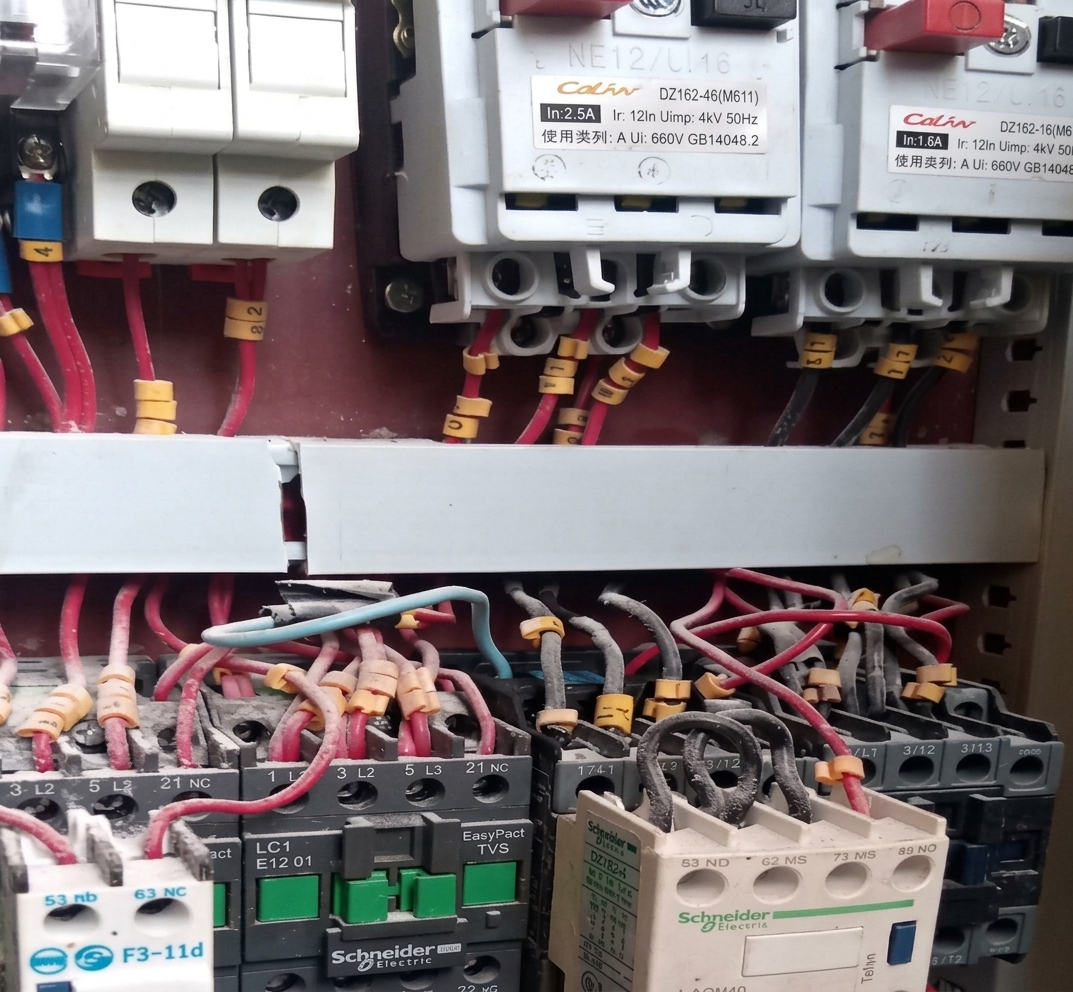
Electrical systems can be inspected for loose connections, abnormal readings, damaged components, overheating, and other potential issues.
Mechanical Checks
Belts, bearings, shafts, pumps, motors, fasteners, and other mechanical components can be examined for wear or abnormal operation.
Testing and Calibration
Where applicable, equipment should be tested to verify that it is operating within its required parameters.
Component Replacement
Worn or deteriorated components may need to be replaced before they cause equipment failure.
Documentation
Maintenance activities should be properly documented. Records can help businesses track equipment history, identify recurring issues, plan future servicing, and make better maintenance decisions.
How Often Should Industrial Equipment Be Serviced?
There is no single maintenance schedule that works for every machine.
The appropriate frequency can depend on:
- Equipment type
- Manufacturer recommendations
- Operating hours
- Workload
- Operating environment
- Equipment age
- Criticality of the equipment
- Previous maintenance history
- Condition of components
For example, equipment operating continuously in a demanding environment may require more frequent attention than equipment operating for only a few hours each week.
At EddyMoore Tech, equipment maintenance should therefore begin with understanding the specific equipment and its operating requirements rather than applying the same schedule to every machine.
Preventive Maintenance vs. Reactive Maintenance
The difference can be illustrated simply:
| Preventive Maintenance | Reactive Maintenance |
|---|---|
| Planned in advance | Happens after failure |
| Focuses on preventing problems | Focuses on fixing problems |
| Maintenance can be scheduled | Repairs may be urgent |
| Helps identify wear early | Problems may already be severe |
| Easier to budget and plan | Costs can be unpredictable |
| Can reduce unplanned downtime | Can result in operational disruption |
Neither approach completely eliminates equipment failure. However, preventive and predictive approaches are designed to reduce dependence on unexpected breakdowns.
NIST research has reported that establishments relying heavily on reactive maintenance were associated with substantially more downtime and other maintenance-related problems than establishments using more preventive and predictive approaches.
The EddyMoore Tech Approach to Equipment Maintenance
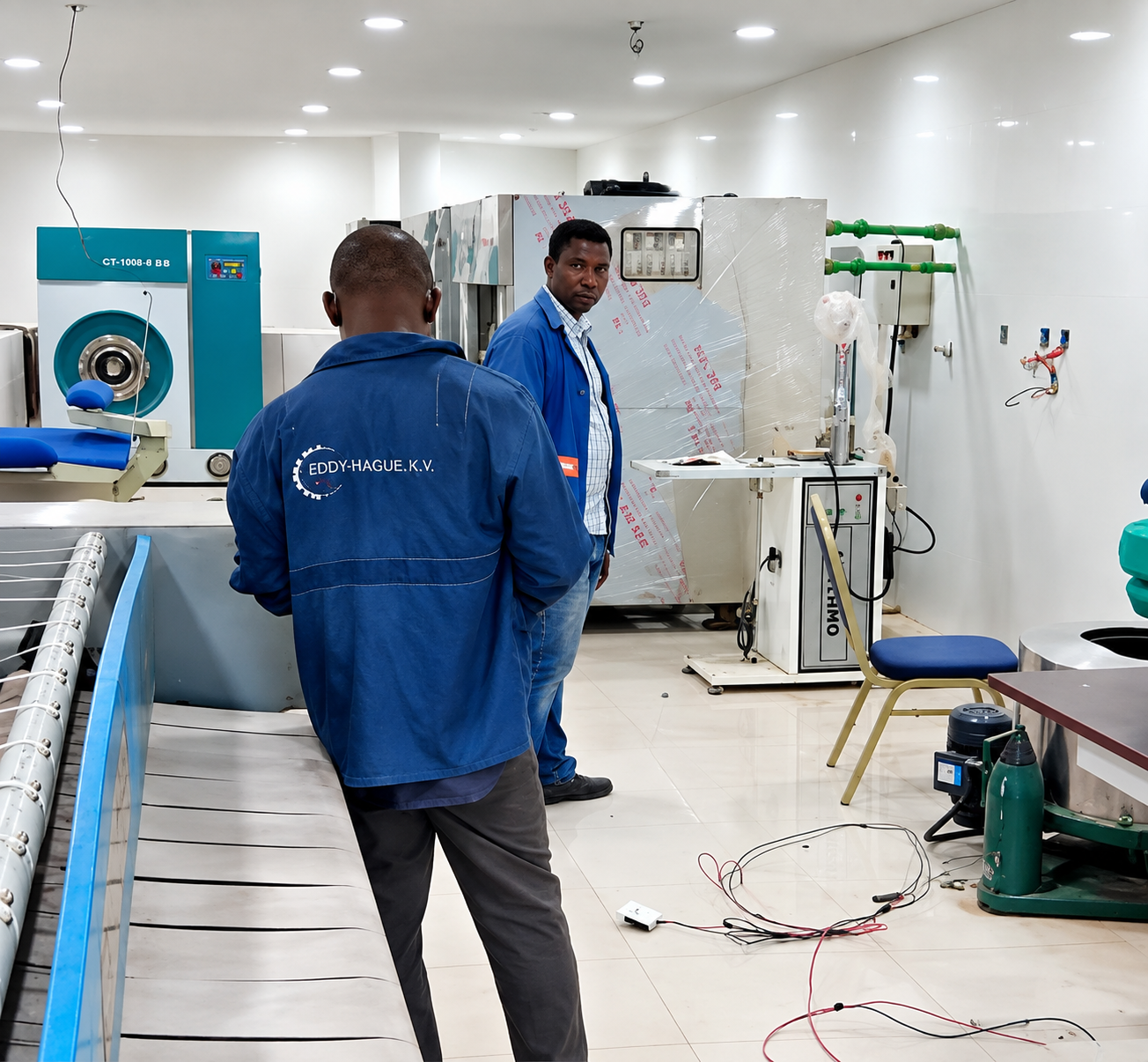
At EddyMoore Tech, we see equipment maintenance as part of a broader equipment lifecycle—not simply an emergency service that begins after something goes wrong.
Our process can be structured around:
01. Consultation
We begin by understanding the customer’s equipment, application, operating environment, challenges, and maintenance requirements.
02. Inspection
Equipment and relevant systems are examined to identify current conditions, potential faults, and areas requiring attention.
03. Maintenance Recommendation
Based on the inspection, appropriate maintenance activities and service requirements can be identified.
04. Servicing and Repairs
Required maintenance, servicing, adjustments, repairs, and component replacements are carried out as appropriate.
05. Testing & Commissioning
Following maintenance, equipment can be tested to confirm that the relevant systems are operating as intended.
06. After-Sales Support
Ongoing support helps businesses maintain continuity and address future equipment requirements.
This approach aligns with the broader principle that effective maintenance should be planned around the equipment’s operating requirements and manufacturer’s guidance rather than waiting for a failure.
Maintenance Is an Investment in Business Continuity
Industrial equipment is purchased to help businesses operate—not to sit idle while waiting for a breakdown.
Regular servicing can help businesses:
- Reduce the risk of unexpected equipment failure
- Improve equipment reliability
- Maintain performance
- Extend useful equipment life
- Plan maintenance activities more effectively
- Reduce dependence on emergency repairs
- Support safer operations
- Improve operational continuity
Preventive maintenance does not guarantee that equipment will never fail. Instead, it provides a structured way to identify, manage, and reduce equipment-related risks.
Don’t Wait Until the Equipment Stops
One of the most expensive times to think about equipment maintenance is after the equipment has already failed.
A better approach is to understand the condition of your equipment, establish an appropriate maintenance schedule, keep accurate service records, and address potential problems before they become major operational disruptions.
At EddyMoore Tech, our goal is to help businesses get more reliability and value from their equipment through professional equipment solutions, servicing, installation, commissioning, and ongoing technical support.
Your equipment is an investment. Keep it working like one.
Need Equipment Maintenance or Servicing?
Whether you operate a manufacturing facility, commercial building, hotel, hospital, warehouse, office, construction business, or another equipment-dependent operation, EddyMoore Tech can help you assess your equipment needs and determine an appropriate maintenance approach.
Contact EddyMoore Tech today to discuss your equipment maintenance and servicing requirements.