Industrial vs. Commercial Equipment: Understanding the Difference and Choosing What’s Right for Your Business
Every business depends on the right equipment to operate efficiently. Whether you run a manufacturing facility, hotel, hospital, office, school, restaurant, warehouse, or other commercial establishment, the equipment you choose can directly affect productivity, reliability, operating costs, and customer experience.
However, one important question often arises when selecting equipment:
Should you choose industrial-grade or commercial-grade equipment?
At Eddymoore Tech, we understand that equipment selection is not simply about buying a machine or system. It is about finding a solution that matches your business requirements, operating environment, capacity, budget, and long-term objectives.
Understanding the difference between industrial and commercial equipment is therefore an important first step toward making the right investment.
What Is Industrial Equipment?
Industrial equipment refers to machinery, systems, and technical solutions designed for demanding environments and heavy-duty applications.
These systems are commonly used in industries such as manufacturing, construction, engineering, energy, production, processing, logistics, and large-scale facilities.
Industrial equipment is generally designed to withstand intensive workloads, extended operating hours, challenging environments, and continuous production demands.
Examples may include:
- Industrial generators and power systems
- Heavy-duty pumps
- Compressors
- Manufacturing machinery
- Industrial cooling and ventilation systems
- Material-handling equipment
- Water-treatment systems
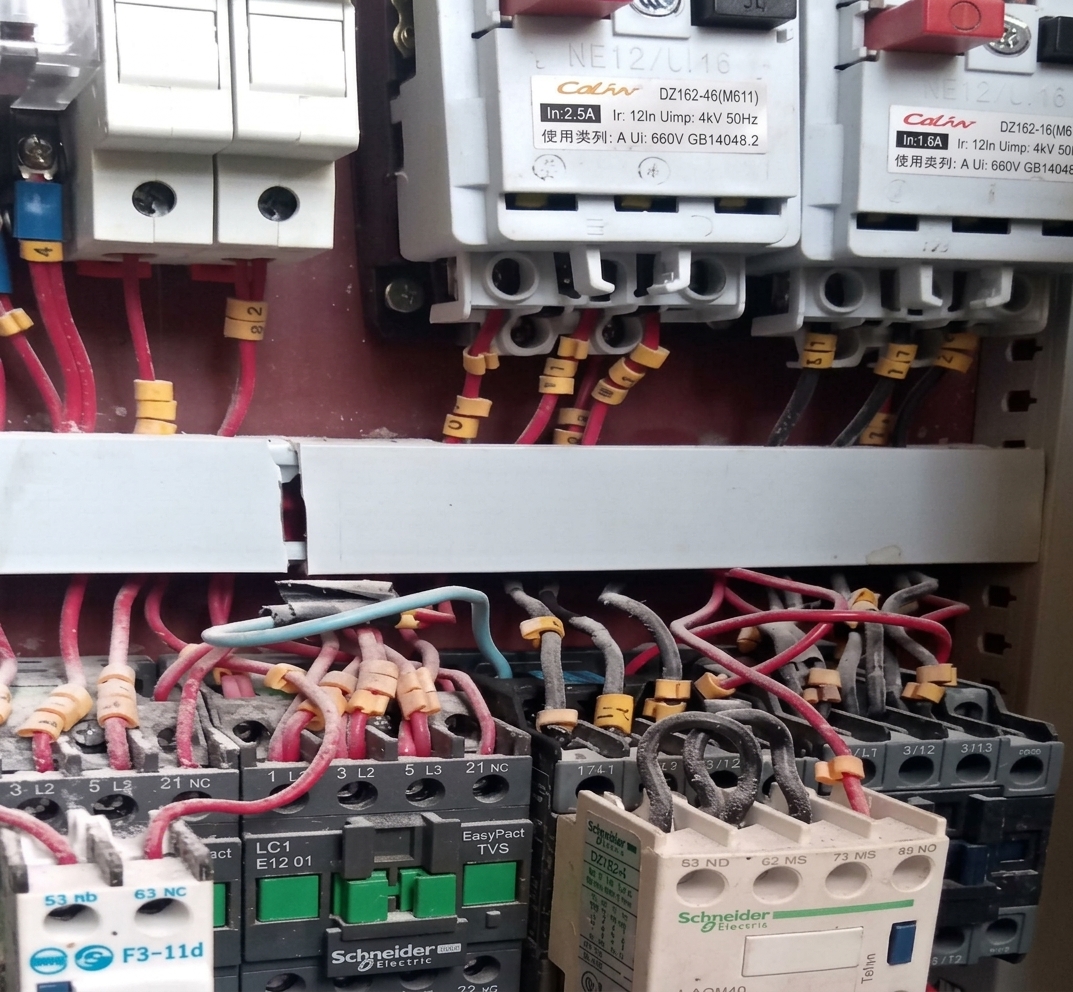
- Electrical and power-distribution systems
- Processing and production equipment
- Specialized engineering equipment
Because of the demanding environments in which they operate, industrial systems often require careful specification, professional installation, commissioning, and ongoing technical support.
What Is Commercial Equipment?
Commercial equipment is designed primarily for businesses and facilities where equipment is used to support daily operations and service delivery.
It is commonly found in:
- Offices
- Hotels
- Restaurants
- Hospitals
- Schools
- Shopping centres
- Retail businesses
- Warehouses
- Corporate facilities
- Hospitality establishments
Examples include commercial air-conditioning systems, refrigeration equipment, kitchen equipment, office power solutions, cleaning equipment, water systems, and other facility-support equipment.
While commercial equipment may not always operate under the same conditions as heavy industrial machinery, reliability and efficiency remain essential.
Industrial vs. Commercial Equipment: What Is the Difference?
The distinction is not simply about the size of the equipment. It involves several important factors.
1. Application
Industrial equipment is typically designed for production, processing, engineering, construction, and other heavy-duty applications.
Commercial equipment, on the other hand, is generally designed to support business operations, facility management, customer service, and day-to-day commercial activities.
The application should therefore be the starting point when determining what type of equipment is appropriate.
2. Capacity
Industrial equipment generally offers higher capacities and is designed to handle more demanding workloads.
For example, the power requirements of a manufacturing plant may be significantly different from those of a corporate office. Similarly, a large hotel may require substantially different cooling, power, water, or electrical systems from a small business premises.
At Eddymoore Tech, equipment recommendations should be based on the actual requirements of the facility rather than simply selecting equipment based on advertised capacity.
3. Operating Conditions
Where will the equipment be used?
An industrial facility may expose equipment to heat, dust, vibration, moisture, continuous operation, or heavy mechanical loads.
Commercial environments may be less demanding, but equipment can still face significant usage depending on the business.
Understanding the operating environment helps determine the appropriate equipment specification.
4. Durability and Reliability
Industrial equipment is generally engineered for demanding and prolonged operation.
Commercial equipment also needs to be dependable, particularly in businesses where equipment failure can interrupt operations or affect customers.
The right equipment should therefore provide an appropriate balance between performance, durability, reliability, and cost.
5. Installation and Commissioning
Some equipment can be installed relatively easily, while larger systems require professional technical installation.
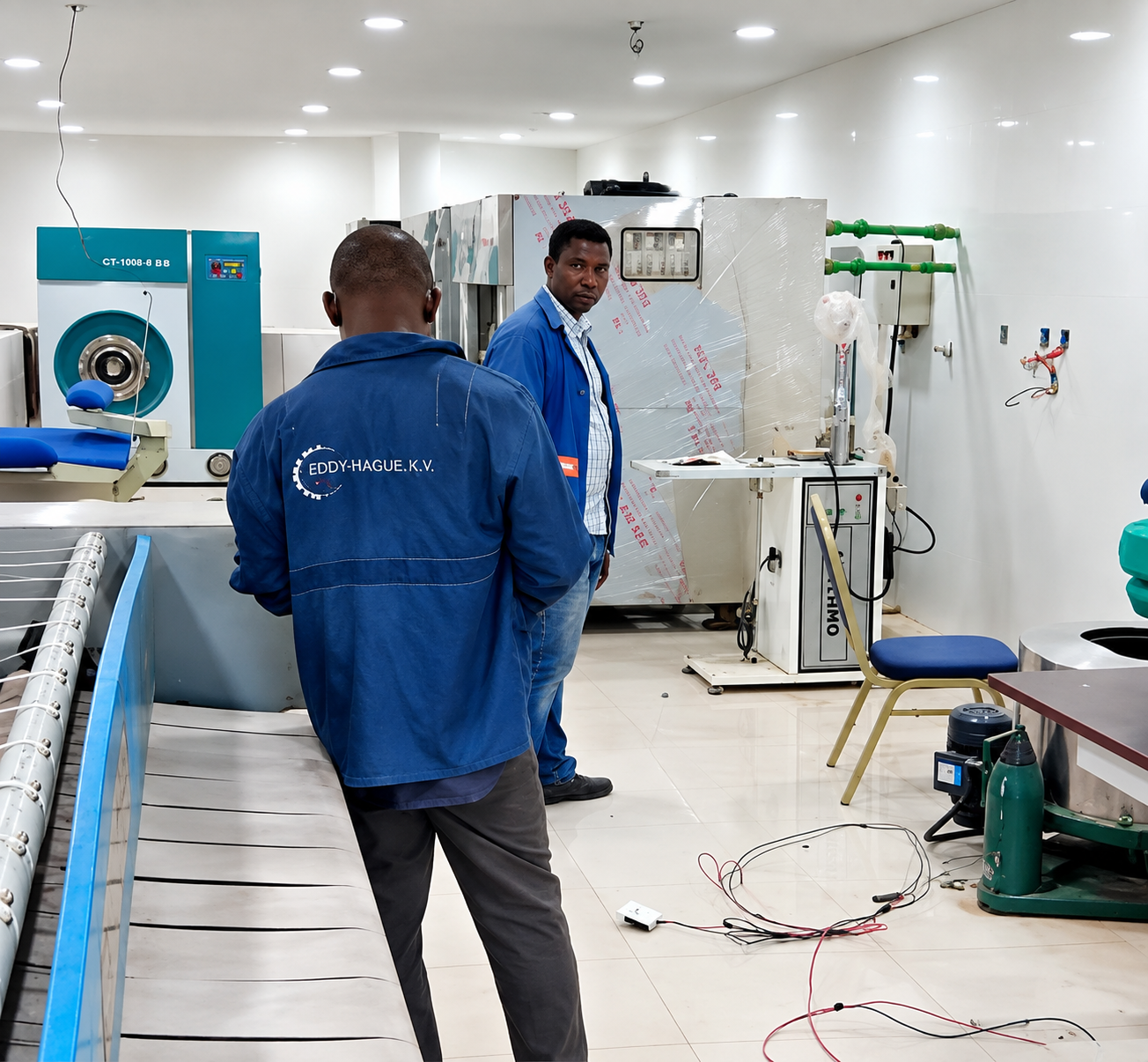
Industrial and complex commercial systems may require electrical work, mechanical installation, configuration, testing, calibration, safety checks, and commissioning.
Professional installation helps ensure that equipment operates according to its intended specifications.
6. Maintenance and Technical Support
Purchasing equipment is only the beginning.
Regular maintenance can help identify potential problems before they become major failures and can contribute to reliable equipment performance.
Businesses should therefore consider:
- Preventive maintenance
- Spare parts availability
- Technical support
- Troubleshooting
- Equipment inspection
- Repairs
- System testing
- Long-term service requirements
This is one of the reasons why working with an equipment solutions provider such as Eddymoore Tech can be valuable beyond the initial supply of equipment.
How Do You Choose the Right Equipment for Your Business?
Choosing between industrial and commercial equipment should begin with a clear understanding of your business requirements.
1. Define What the Equipment Must Do
Before purchasing, determine the exact purpose of the equipment.
Consider:
- What application is it intended for?
- How frequently will it operate?
- What capacity is required?
- What environment will it operate in?
- What performance level is expected?
- Will the business expand in the future?
The answers provide the foundation for selecting an appropriate solution.
2. Assess Your Current and Future Capacity
Your equipment should meet your current operational requirements without creating unnecessary expenses.
At the same time, businesses should consider future expansion.
Equipment that is too small may become inadequate as operations grow, while equipment that is significantly oversized may result in unnecessary capital and operating costs.
The objective is to achieve the right balance.
3. Look Beyond the Purchase Price
The cheapest equipment may not always be the most economical solution over time.
Consider the total cost of ownership, including:
- Initial purchase cost
- Installation
- Energy consumption
- Maintenance
- Spare parts
- Repairs
- Downtime
- Expected service life
A reliable and efficient system may provide better long-term value even when its initial purchase price is higher.
4. Consider Energy Efficiency
Energy costs can represent a significant part of operating expenses, particularly for equipment that runs for long periods.
When comparing equipment, consider its energy requirements alongside its performance and capacity.
An efficient system can contribute to lower operating costs and more sustainable business operations.
5. Consider Installation and After-Sales Support
A supplier should ideally provide more than equipment delivery.
Depending on the project, businesses may require support with:
Consultation → Equipment Recommendation → Supply → Installation → Commissioning → After-Sales Support
This complete approach helps ensure that the equipment is not only supplied but properly integrated into the customer’s operations.
Why Equipment Recommendation Should Come Before Equipment Purchase
One of the biggest mistakes businesses can make is selecting equipment based solely on price or brand.
Two machines may appear similar but have completely different technical specifications, capacities, operating requirements, and applications.
A proper equipment recommendation should take into account:
- The customer’s specific application
- Required capacity
- Operating environment
- Power requirements
- Installation conditions
- Budget
- Energy efficiency
- Maintenance requirements
- Expected workload
- Future expansion
At Eddymoore Tech, the focus should be on understanding the customer’s requirement first and then identifying equipment that is appropriate for that application.
Serving Different Industries with the Right Equipment Solutions
Different industries have different operational challenges.
A manufacturing facility may prioritize production efficiency and heavy-duty machinery. A hotel may focus on guest comfort, power reliability, cooling, water systems, and facility operations. A hospital may require dependable systems where equipment availability is critical.
Offices, schools, restaurants, warehouses, construction companies, retail businesses, and other organizations likewise have their own unique requirements.
This is why equipment solutions should not follow a one-size-fits-all approach.
The right solution starts with understanding the industry, the facility, and the specific operational need.
Eddymoore Tech: From Consultation to After-Sales Support
At Eddymoore Tech, equipment solutions can be approached as a complete process rather than a simple supply transaction.
01. Consultation
We begin by understanding your business, facility, application, challenges, and requirements.
02. Equipment Recommendation
Based on the identified requirements, suitable equipment options and specifications can be evaluated to determine the appropriate solution.
03. Supply
The selected equipment is supplied to meet the agreed project requirements.
04. Installation
Where required, professional installation ensures that the equipment is properly positioned, connected, configured, and integrated.
05. Commissioning
The system is tested and checked to ensure that it is ready for its intended operation.
06. After-Sales Support
Our relationship with the customer does not have to end when the equipment is delivered. Ongoing technical support and maintenance can help businesses get continued value from their investment.
The Right Equipment Starts with the Right Advice
The difference between industrial and commercial equipment is ultimately about application, capacity, operating conditions, durability, and business requirements.
Rather than choosing equipment simply because it is the biggest, newest, or cheapest option, businesses should consider what solution is actually appropriate for their operations.
Whether your requirement is for an industrial facility, commercial building, office, hospitality establishment, healthcare facility, school, warehouse, or another business environment, the right equipment should deliver the performance and reliability your operation requires.
At Eddymoore Tech, we believe the process should start with understanding your needs—not simply selling you equipment.
From consultation and equipment recommendation to supply, installation, commissioning, and after-sales support, our goal is to help businesses make informed equipment decisions and implement solutions that support efficient, reliable operations.
Need Help Choosing the Right Equipment?
If you are unsure whether your business requires industrial or commercial equipment, speak with the Eddymoore Tech team.
Let’s discuss your requirements and identify a solution that fits your business.